Short answer: A heated asphalt driveway cost runs about 12 to 25 dollars per square foot. For a two-car drive, that's about 8,000 to 25,000 dollars. Plan on 100 to 600 dollars each winter to run it. You almost always put it in during a repave. A retrofit is rare. It pays off best on steep, icy drives. It also helps folks who shouldn't shovel.
How a heated driveway works
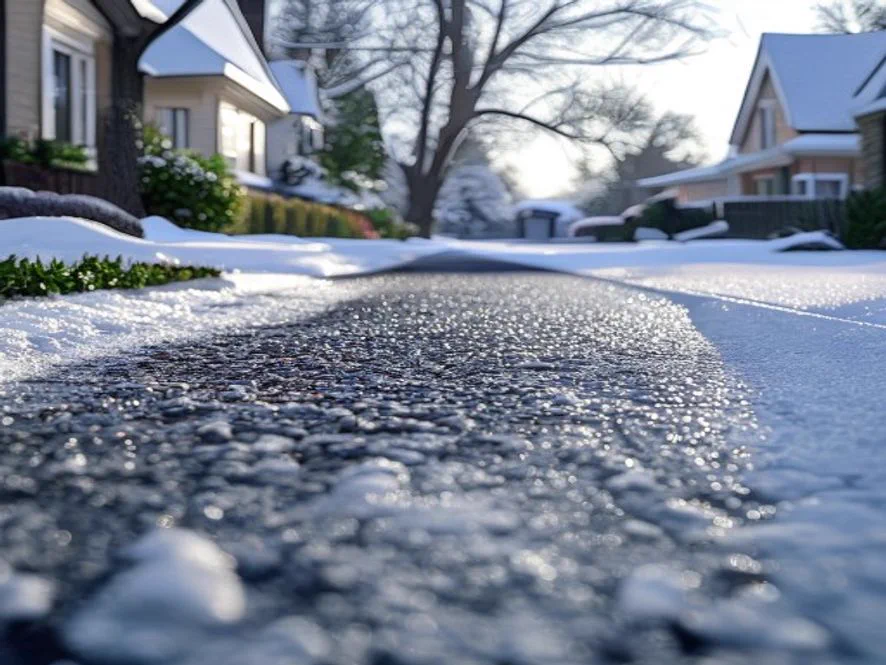
Heat comes from below. A heated driveway melts snow and ice on its own. Tubes or cables sit just under the asphalt. They warm the top. There are two main types. Hydronic systems pump warm fluid through tubes. A boiler heats that fluid first. Electric systems use heat cables. Both link to a snow sensor. It turns the heat on when flakes fall. The fluid type costs more up front. But it costs less to run. Cables cost less to put in. But they use more power. For a long, wide drive, most pros pick hydronic. For a small pad, cables can work. Either way, the system hides under your asphalt. You see nothing on top. It looks like a plain drive. All the work happens below. That clean look is a big plus. No bulky gear sits out in the yard. The boiler or control box hides in the garage. Most systems last 15 to 20 years with care. So one install should serve for many winters. That's a big plus for the price.
Heated asphalt driveway cost to install
Three things set the price. Size, system type, and your slab. You pay for the tubing or cable. You pay for the heat source. You pay for the paving too. It all goes in at once. Here are real ranges for a fresh install.
- Per square foot: 12 to 25 dollars, all in.
- Electric cable system: 8 to 15 dollars per square foot.
- Hydronic tube system: 14 to 25 dollars per square foot.
- Two-car driveway (600 sq ft): 8,000 to 25,000 dollars.
- Boiler or controls add-on: 1,500 to 7,000 dollars.
A bigger drive costs more in total. But the price per foot can drop a bit. Always get a few local quotes. Prices swing a lot by region and labor. Get the heat quote with your paving quote. Ask each pro what the price covers. Some quotes leave out the boiler or wiring. A cheap quote may hide real costs. Compare the full job, not just the per-foot price.
What it costs to run each winter
Two things set your bill. Your weather and your power rates. A mild winter hardly turns the system on. A harsh winter runs it for hours each storm. Electric systems use a lot of power. Expect 200 to 600 dollars a season in cold states. Hydronic systems sip fuel. They often run 100 to 350 dollars a winter. A snow sensor saves real money. It only heats when snow falls. You can also zone the system. Heat just the tire tracks, not the whole slab. That cuts the bill a lot. The Department of Energy has good tips on home heating. Smart controls help too. Some let you track use from your phone. Over a winter, smart settings add up to real savings. Run only what you need. You can also set a timer for storms. Some folks run it just at dawn and dusk. That clears the drive for the morning commute. Then they shut it off to save power.
Retrofit or wait for a repave?
This is the big one. You can't just add heat to an old driveway. The tubing has to sit inside the asphalt. So a true retrofit means tearing the old slab out. That doubles the cost for no good reason. Ripping out a good drive just to add heat makes little sense. The smart move is to wait. Add heat during a planned repave or full rebuild. Is your drive old and cracked? Time the two jobs as one. Heated driveways are a one-shot install. Plan it with your paving job from day one. Until then, keep your current slab healthy. Good winter care makes it last. So does steady winter protection. When the repave comes, you'll be ready to choose. Bundling the labor saves real money. The crew is on site and digging. Adding the tubing then costs far less. Trying to add it later means starting over. So plan the heat with the new driveway.
When a heated driveway is worth it
A snow-melt system is a splurge. But at times it truly pays. A steep drive gets risky with ice. Heat keeps it safe all winter. If you or a loved one can't shovel, it helps each day. Older folks love to skip that chore. It also cuts your salt and de-icer use. That means less harm to the asphalt over time. Do you live where it snows 40 plus inches a year? Then it earns its keep. In a mild climate, it seldom pays back. Be honest about your real winter. Count your snow days each year. Add up what you spend on plowing now. If that number is high, heat may pay off. If you only get a few storms a year, skip it. Ice risk can matter more than snow totals. A short, icy slope can still be risky. Think about who walks and drives there day to day. For most people, smart snow removal is plenty.
Cheaper ways to fight snow and ice
Not ready for a heated slab? You still have solid options. A good snow blower handles most storms. Plowing works too, if you guard the surface. The right de-icer matters as well. Some products quietly harm asphalt. Pick a safe ice melt instead of harsh rock salt. Shovel early and often. Fresh snow clears far easier than packed ice. These steps cost far less than a heated system. They guard your slab and your back. Pair them with steady sealing. A sealed surface sheds water better. That means less ice in the cracks. Sand adds quick grip in a pinch. It won't melt ice, but it stops slips. A small pile by the door is handy. Keep a sturdy shovel close by. Small habits beat a giant bill. A roof rake helps clear the slab edge too. Mark the drive's edges with stakes. That keeps the plow off your lawn and curb. For most drives, these simple habits are plenty.
The bottom line
A heated asphalt driveway cost is high up front. Plan on 8,000 to 25,000 dollars for most homes. Running it adds 100 to 600 dollars a winter. Only put it in during a repave or new build. It pays off on steep, icy, or hard-to-shovel drives. For the rest of us, good winter care wins. Either way, get a few quotes first. Think about how long you'll stay in the home too. A heated drive can boost resale appeal in snow country. But you may not get all the money back. Match the choice to your real needs and budget.