Short answer: Yes. You almost always need a permit to trench driveway for EV charger installs. You pull a wiring permit for the circuit. An inspector checks the open trench before you cover it. Work near the street apron may need a right of way permit too.
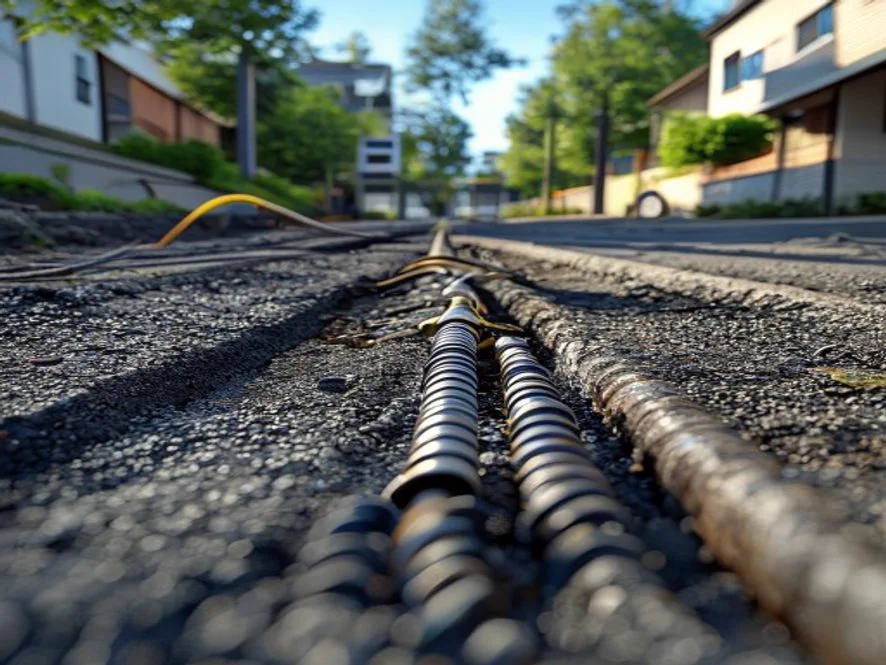
Why a permit matters here
A charger circuit is real wiring work. It carries 240 volts and a lot of current. Towns want the work done to code. That keeps it safe. So they need a permit and an inspection.
Skipping the permit feels faster. It's not worth the risk. Work with no permit can void your home insurance. It can also block a future home sale. A home inspector will flag it.
Permits are cheap next to those problems. They also bring an expert set of eyes. The inspector catches mistakes before they start a fire. Do it by the book and sleep easy.
Codes exist for a good reason here. A charger pulls power for hours at a time. Bad wiring can overheat. The permit and inspection catch that risk early. It's cheap insurance for your home. The fee is often small. The peace of mind is worth far more. A safe circuit protects your house and your family.
Here's the short version. Get the permit. Get it checked. Then cover it up. That's the whole game.
The electrical permit
This is the main one. You or your electrician pulls a wiring permit. It covers the new circuit, the wire size, and the charger itself. Most towns issue it quickly.
A licensed pro often handles this for you. The permit ties the work to code. The big rulebook is the National Electrical Code. You can read about NFPA 70. It sets those rules.
Want a plain language take on home charging? The U.S. Department of Energy helps. See their home charging guide. It covers the basics before you call a pro. A little reading makes you a smart buyer.
Bring your charger details to the permit desk. They want the amps and the model. That tells them the wire and breaker size. Have it ready and the permit moves fast. Guesswork slows it down. Most folks let the pro pull it. That puts the code duty on the pro. It's one less thing for you to track.
Do you need a permit to trench driveway for EV charger work?
Yes, you almost always do. Beyond the permit, you need a check while the trench is open. Crews call this the rough-in check. They must see the buried conduit before you cover it.
This is the step people forget. Cover the trench too soon and the inspector can't see the work. Then you may have to dig it back up. That wastes a whole day and a load of effort.
The inspector checks the depth and the conduit. They make sure it's deep enough and the right type. Pass this and you're clear to backfill. It's a quick visit when you plan for it.
Towns name this check in their own way. Some say rough-in. Others say cover. The point is the same. They look before you bury it. Plan the depth before you dig too. Most codes want the conduit a set distance down. Too shallow and you fail the check. Your pro knows the local number.
Snap a few photos of the open trench before backfill. Show the conduit and the depth. If a question comes up later, you have proof. Many inspectors are fine with photos for small issues. It's smart to keep your own record either way.
Bottom line. They must see it first. So don't rush to fill the trench. Wait for the green light.
The right of way permit near the street
At times the trench runs near the street. The strip by the road is the right of way. Your town or city owns it. Touch it and you may need a second permit.
This often applies at the driveway apron. That's the flared part where the drive meets the road. Ask your building office early. Rules vary a lot from town to town.
Not sure if your project needs town sign off at all? Our guide on driveway permits walks through it. The same office handles most of these. One phone call clears up a lot.
The apron is a common snag. Many folks forget the town owns that strip. They start digging and get a stop order. A quick question up front avoids that mess. Always check the property line. The right of way permit can take longer to get. So ask early in the planning. Don't let it stall the whole job.
So make one call early. Ask about the apron. Ask about the strip by the road. Then you know.
The order to schedule them
Timing matters most here. Get the papers done before the crew shows up. Here's a clean order that keeps the job moving.
- Step 1: pull the wiring permit.
- Step 2: check if a right of way permit is needed.
- Step 3: dig the trench and lay the conduit.
- Step 4: pass the open trench check.
- Step 5: backfill and patch the driveway.
Never backfill before the inspector signs off. That one rule saves the most grief. Break it and you redig. Follow it and the job flows.
Build in a little slack on dates. Inspectors can run late or get booked up. Leave a buffer day. Then the trench won't sit open too long. An open trench in the rain is no fun. Order matters with the patch too. Backfill first, then pave, then seal. Rushing asphalt over loose fill leads to a sinking strip.
So go in this order. Dig. Show it. Then fill it. Don't flip those steps.
How to keep the crew from waiting
Book the check ahead of time. Many towns need a day or two of notice. Line it up for the same day the trench is open. Then the crew digs, the inspector looks, and you backfill.
Put it all in the contract. Spell out who pulls permits and who calls for inspection. Our paving contract checklist shows what to include. Clear roles stop finger pointing on the job.
A waiting crew costs you money. Idle hours can still bill by the day. A little planning keeps the crew busy and your bill low.
Stay in touch. It saves the day. Share the check time with your crew lead. Make sure someone can meet the inspector. A missed visit can push the job back a week. Keep all your paper in one folder. The permit, the sign off, and the receipts. You'll want them at sale time.
Keep it simple. One folder. All the proof. You'll be glad you did.
Doing the trench part right
The trench method matters too. Boring under the drive may skip the patch step. Want to compare methods? See our guide on bore vs trench under a driveway. The right method depends on your drive.
If you do trench and cut, restore the asphalt well. Compact the fill in layers. Match the thickness. Seal the seam to keep water out.
A good patch keeps the drive smooth and safe. A sloppy one cracks and sinks. Do it once, do it right, and enjoy your new charger.
The wire size must match the load. A charger on a long run may need thicker wire. That keeps it cool and safe. Your electrician sizes it to code. Don't cut corners on the conduit either. Use the type your inspector expects. A solid trench job lasts as long as the drive above it.
Do it right once. Then forget about it. A good job lasts for years.